
The Oltchim issue reached the European Commission
 Adaugă-ne ca sursă preferată
 Urmărește pe Google News
The major difficulties are far from being over for the Oltchim factory, even if there are almost two years since it started its insolvency procedures. The losses are still significant and selling the valuable assets seems virtually impossible
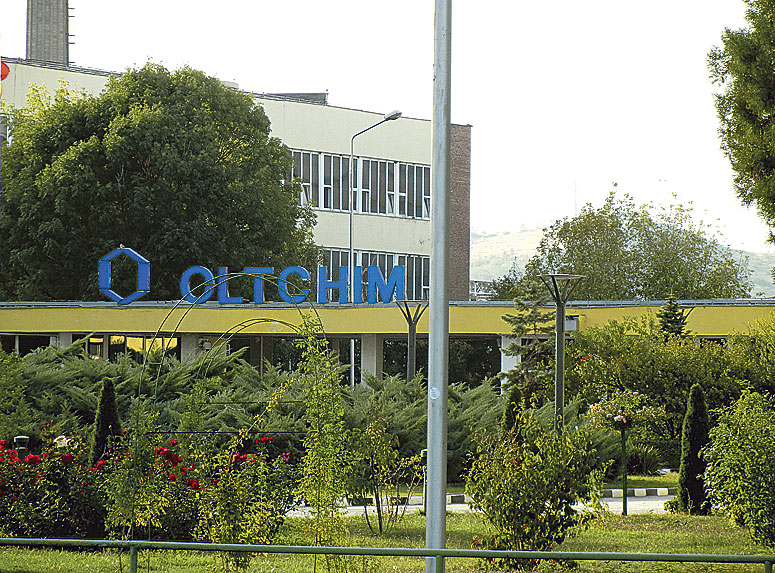
Two years after starting the insolvency process meant to resurrect it, the state-owned Oltchim chemical factory in Valcea County didn’t succeed to go back on its feet and to find investors. The company managed to improve its financial results in the first half of the year, but it’s still losing money. The decision to move the valuable assets to a new company, Oltchim SPV, didn’t produce the expected outcome – finding an investor to take over the factory and make it efficient.
The balance sheet filed in for the first six months of 2014 indicates Oltchim had a loss of 114.5 million RON, 22% less as compared to the first half of 2013, when the reported loss was 148 million RON. The operating loss was 108.8 million RON, while the financial loss reached 5.7 million RON. The operating revenues in the first half of the year totalled 274.3 million RON up from 207 million RON in the previous year, while the operating expenses were 383.1 million RON. The Oltchim’s sales were divided between the local market (31%) and the foreign markets (69%).
Rominsolv and BDO Business Restructuring, the companies appointed as trustees in bankruptcy for Oltchim, have fixed a new date for selling the valuable assets of the factory – 15 December 2014. According to them, several companies, such as SOCAR (Azerbaijan), Oil and Gas Trade (Russia), MOL (Hungary) or Chimcomplex Borzesti (Romania), showed interest in the privatization process. But taking into account all the failed attempts to privatize Oltchim in the past two years, this programmed sale has big chances to remain just another unsuccessful try.
State aid
The European Commission recently placed a new obstacle on the road towards privatization. EC asked for some clarifications regarding the Oltchim issue, as it noticed that some decisions of the Romanian government regarding the privatization of the Arpechim Pitesti refinery or regarding the support for the current Oltchim activities might constitute state aid.
“The Commission wants to know why, even if Oltchim had debts towards the state budget, the government didn’t start the debts recovery procedure against it. This attitude raised some question marks regarding a potential state aid”, the President of Romanian Competition Council, Bogdan Chiritoiu, said. He also explained the EC suspects the intent to sell Oltchim together with Arpechim (which is the main raw materials provider for Oltchim) might put advantage to OMV Petrom (the current owner of Arpechim). In case the deal succeeds, OMV Petrom will be exempted from fulfilling its obligations regarding closing down the Pitesti refinery (especially those related to environmental decontamination).
The European Commission agreed in 2012 that Oltchim overdue debts towards the state budget (amounting two billion RON) to be converted into shares. But the procedure was blocked by the minority shareholder PCC SE and also by the failure of the privatization process. The remaining debt, together with the 150 million RON owed to the electricity provider Electrica, were not taken over by the new company Oltchim SPV which is to be sold. Unfortunately, even in such conditions, the privatization is still a chimera, as there are some problems regarding the Romanian state taking over Arpechim. And, without this refinery, Oltchim couldn’t really work at full capacity.
Recomandările noastre



M-am angajat la site-ul capital.ro într-o perioadă în care online-ul aproape că nu exista, iar printul era, încă, la o așa de mare putere încât oamenii de la site erau percepuți, cumva, drept oaia neagră a redacției. Cineva ar putea spune că am fost un om cu viziune, care știa că epoca printului va apune. Ei bine, nu, n-am fost. Nu m-aș fi gândit niciodată că oamenii vor ajunge să citească știrile pe internet în felul în care le citesc astăzi: a apus până și epoca desktopului, iar știrile sunt consumate în proporție de 80% de pe telefon. Mediul ăsta care se numește online are o mare trăsătură: schimbarea, iar dacă tu, cel care lucrezi în mediul online, nu te adaptezi în permanență la schimbare, nu reziști. Altă cale nu e. Pentru mine, site-ul capital.ro reprezintă nu doar un loc de muncă, este însuși mediul în care m-am format ca om și în care am devenit persoana care este astăzi. Pentru mine, capital.ro este un mod de viață...
Informațiile publicate de capital.ro pot fi preluate de alte publicații online doar în limita a 500 de caractere și cu citarea sursei cu link activ. Orice abatere de la această regulă constituie o încălcare a Legii 8/1996 privind dreptul de autor.